


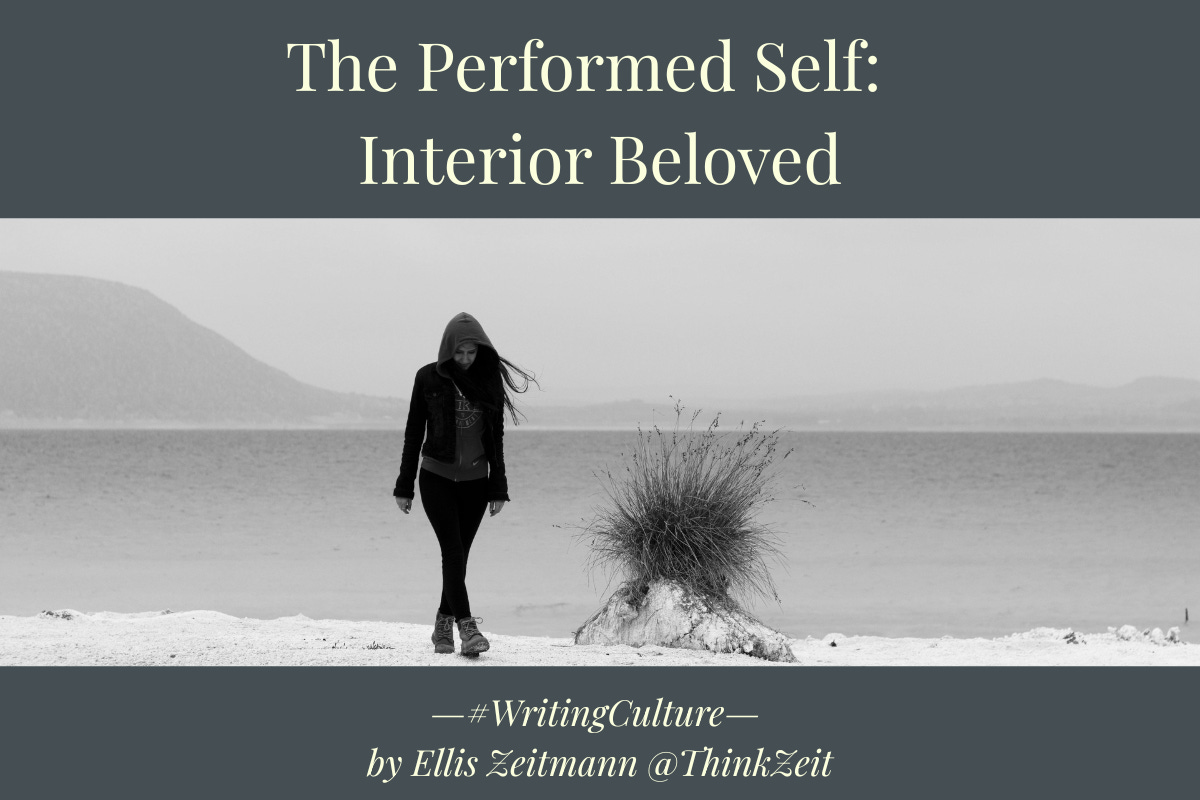
I write about solitude as someone who has spent years perfecting it, treating the cultivation of aloneness as a kind of arrival, as if the work of aloneness were fundamentally different from the work of being loved. But notice what that framing performs: the dignity of the self-sufficient, the one who has moved past needing, who has refined the capacity to be alone into something that looks, from the inside, like freedom. What I have not wanted to examine is whether the relationship I maintain in solitude is a relationship at all, structured by the same dynamics I claimed to have left behind, only conducted with a partner who cannot leave, cannot refuse, cannot arrive unexpectedly and disrupt the terms I have set.
What we call the cultivation of solitude turns out to have all the architecture of love. There is the anticipation before aloneness arrives, the particular quality of attention I bring to my own company that I rarely bring elsewhere. There is the way I arrange the conditions, the hour, the light, the silence that is just the right depth, as a lover arranges an encounter, staging the meeting to produce the feeling I need it to produce. There is the disappointment when aloneness fails to deliver, when I sit with myself and find the company flat, the conversation thin, the presence I was depending on somehow absent even though I am entirely there. And there is the reconciliation, the return to myself after a period of self-estrangement, which arrives with the particular warmth of reunion. I have been conducting a love affair without naming it as one, which is perhaps why it has lasted so long and remained so difficult to examine. Named attachments can be ended. This one continues beneath every attempt to describe it.
The attachment was organized early, before I understood that what I was learning was how to be my own primary object. The first time external company disappointed, something was encrypted: that the self, properly cultivated, could be made into a reliable beloved, available without conditions, intimate without risk. But the installation runs deeper than any early disappointment. Perhaps the inward turn precedes even that, emerging from the structural discovery that the external other can never fully coincide with what you need them to be, so that the self becomes, by default, the beloved who at least has access to the interior that no one else can reach. The voice that narrates my aloneness as richness rather than deprivation is older than any conscious choice toward solitude. It was there before the first decision to prefer my own company. It organized the preference, installed the terms of the inward relationship, and has been managing the attachment ever since, adjusting the idealization when reality threatens it, rewriting the history of who I am to myself to maintain the fiction of a self worth loving.
Here is what I have been unable to think my way past: the inward beloved is the most tyrannical beloved of all, precisely because they cannot leave. In every external relationship, the other retains the capacity to withdraw, to surprise, to refuse the version of themselves you have constructed, and that refusal, however painful, is also the thing that keeps desire alive and honest. They have no such power. Every disappointment is self-authored, every withdrawal already anticipated, every surprise already known before it arrives because I am its source. The relationship is perfectly controlled and therefore perfectly sealed, desire circling itself without the friction of genuine otherness. And yet it does not feel like control. It feels like intimacy, the deepest intimacy, because no one else has ever been admitted here. What I cannot see from inside is that the feeling of depth may be the feeling of enclosure, and that what I have called knowing myself may be the rehearsal, endlessly repeated, of a version of myself I have already decided is worth knowing.
Even writing this, I perform it. The analysis of solitude as love enacts the most sophisticated variety of the very thing it describes: turning the examination of the inward relationship into a new occasion for that relationship, the self contemplating the self-as-lover with the focused, slightly fevered attention that is itself a form of desire. I am, right now, most fully alone in the way this piece demands, and most fully in relationship with the one who narrates this aloneness as insight. The recursive trap does not loosen when named. The naming is another touch, another gesture toward the self that receives it, the observation folding back into the very dynamic it set out to trace.
If the relationship with the inward beloved dissolved, not gradually but entirely, what would remain of the capacity for solitude? Without the interior partner to pursue, to disappoint, to reconcile with, to idealize and revise, aloneness would not be freedom. It would be the specific terror of a relationship ended without warning, the self suddenly without the object it organized itself around, left in the particular silence that is not peaceful but vacant. I have always assumed that what I feared in intimacy was losing myself to another. But perhaps what I fear in genuine solitude, the kind without the beloved, is losing the other I have made of myself. The vacancy beneath is not empty space waiting to be filled. It is the shape left by an attachment, and the shape is already, unmistakably, the shape of longing.
Writing about solitude as relationship produces the construction of having seen through the last defense, which is its own variety of inward intimacy: the one who has examined the beloved and found the examination beautiful, the aloneness that generates this recognition and then offers it as proof that the relationship is real and worth maintaining. I do not know if there is a form of being alone that is not also a form of being in love with being alone. I am not certain the distinction holds, or that I would recognize it if it did, given that the one making the distinction is the same one who benefits from its collapse.
#WritingCulture #InkOfTheDay #ThePerformedSelf #ExistentialThinking #GoingOnBeing #PhilosophyOfLife #Identity #SelfReflection #PerformedSelf #CulturalCapital #Becoming